Fathers & Sons // The Patrol Series

PATROL1Brief + Packing Guide

Our first trip takes us into 6,300 acres of backcountry in the Nantahala National Forest — 30+ miles of established trail, over a dozen waterfalls, granite overlooks, and private dispersed camping. What to bring. What matters. What doesn't.

Location
Panthertown Valley
Dates
May 21–23
Duration
3 Days / 2 Nights
Hike In
3–5 Miles
Difficulty
Medium
Adventure
Ages
12+
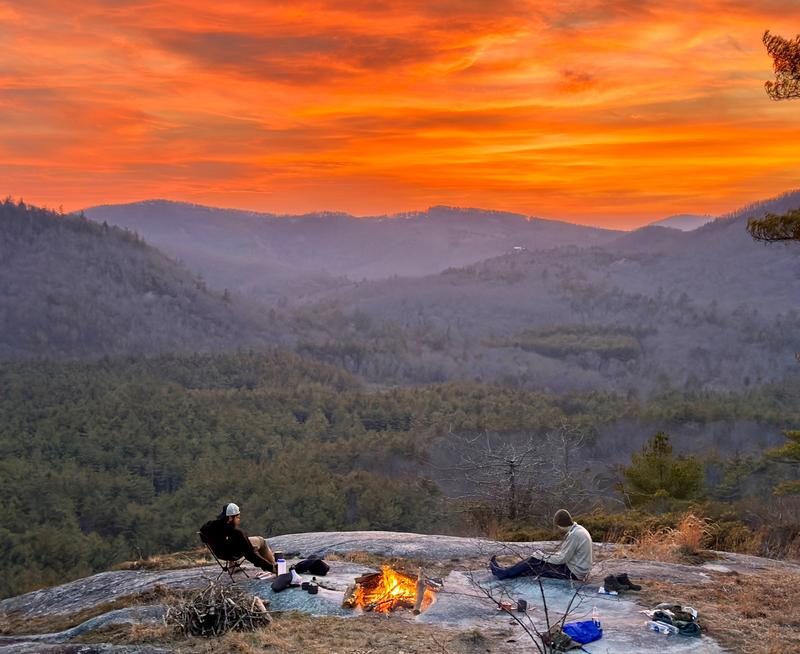
Panthertown Valley overlook — granite domes and endless ridgeline
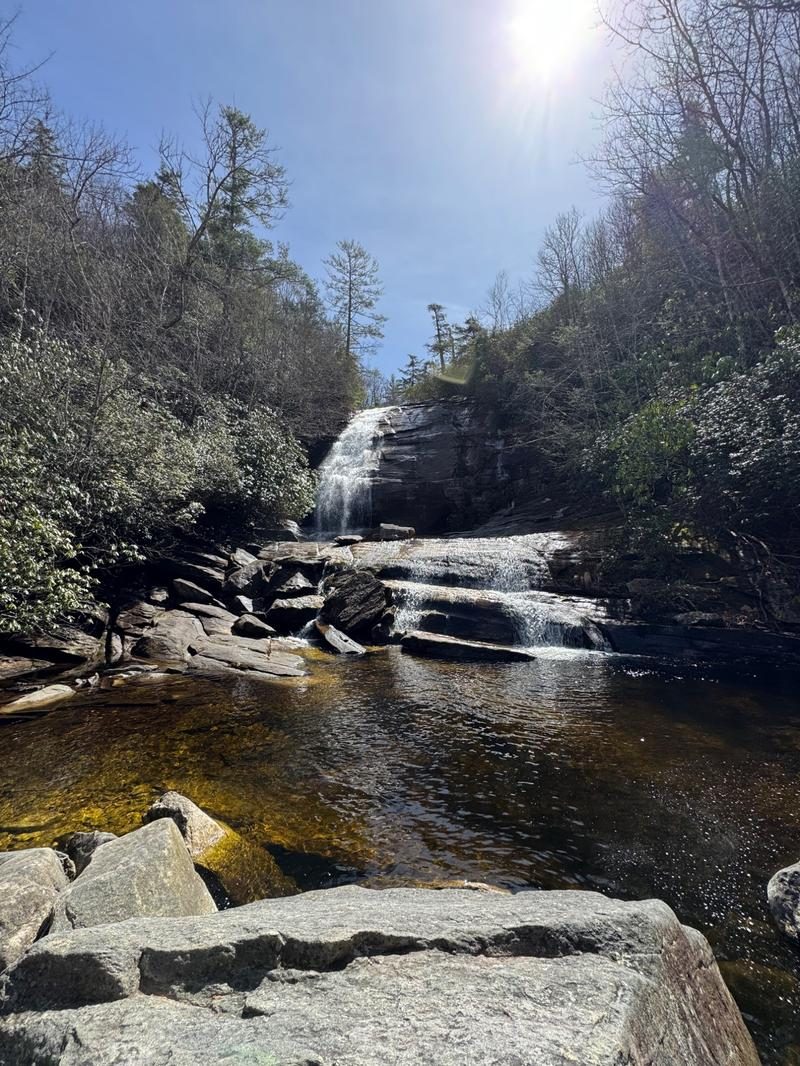
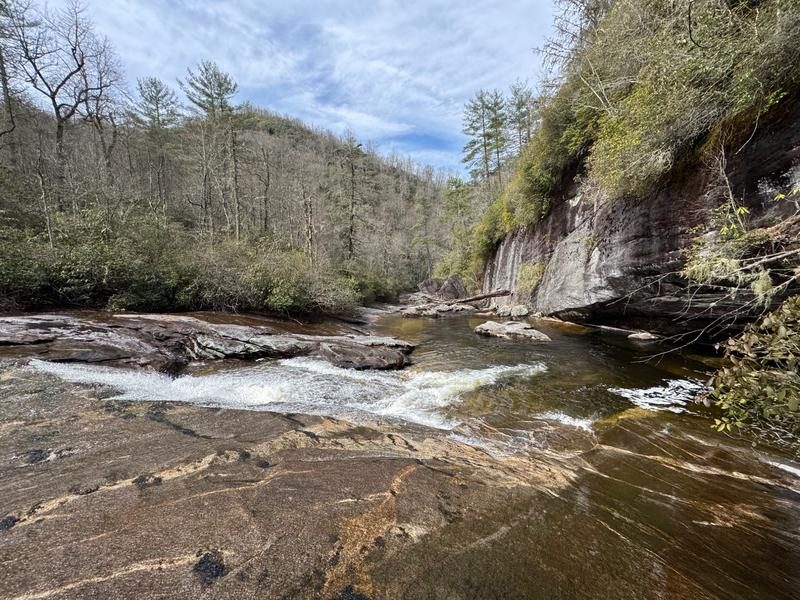
Schoolhouse Falls — swimming hole beneath a curtain of water Granite cascade on Greenland Creek Creek pool and sand bank in the valley floor
Panthertown Valley • Nantahala National Forest • Western North Carolina
Why This Place

Panthertown Valley sits on 6,300 acres of protected backcountry in the Nantahala National Forest. Over 30 miles of established trail wind through deep gorges, across granite domes, and past more than a dozen waterfalls — several with swimming holes at their base. The terrain earns the nickname "Yosemite of the East" without trying. We'll hike in roughly 3 miles, set up a basecamp, and spend two days exploring finger trails to waterfalls, epic overlooks, and creek valleys — a different destination each time we leave camp.

No permits. No fees. No designated campsites — we pick our spot. No cell service. No crowds once you're past the first mile. This is real backcountry, close enough to Raleigh to make it a weekend trip, remote enough that it feels like another world. It's the kind of place you remember.

USFS Official Page → Friends of Panthertown →
Scouted in Advance

Two to three group leads — including Taylor — will have hiked this trail system in advance on a dedicated scout trip before PATROL1. We'll have identified camp areas, mapped water access, flagged the best waterfalls and overlooks, and have GPS navigation and firsthand familiarity with the trail network. We're not winging this. The goal is to give everyone a great experience while managing the inherent risks of backcountry travel with a group.

Ages 12 & Up

This trip is designed for fathers and sons ages 12 and older. The hike-in is roughly 3 miles over uneven terrain with a loaded pack, and we'll be in remote backcountry with no cell service, no facilities, and no quick exit. The terrain includes granite slabs, creek crossings, and elevation changes that require sure footing and stamina. This isn't a beginner outing — it's an adventure. If your son is mature, physically capable, and ready for a challenge, he's ready for this.

What's Next

Trip 1 focuses on the established Panthertown Valley trail system — 30 miles of maintained trail with signed junctions and well-known destinations. Future trips will push into Bonas Defeat to the north and Big Pisgah to the east — wilder, less-traveled tracts of the same National Forest with unmarked routes, more rugged terrain, and fewer people. We walk before we run. But those are calling our name.

The Weekend
Three days. Two nights. One valley. Here's the shape of it.
DAY 1
INSERTION

🚗  Leave town by 5:30 AM — grab a quick bite on the road

🏔  Arrive at Panthertown by 12:30 – 1:00 PM

🚶  Hike in 3–5 miles to camp

⛺  Set up camp — tents, water filtration, bear canisters staged

🔥  Dinner, fire, and the kind of night you don't get at home

DAY 2
PURSUIT

☕  Breakfast and coffee at camp

🎒  Pack your day kit — water, lunch, snacks, towel, change of shorts/socks if you plan to hit the water. We encourage a smaller daypack, sack, or water bladder for the day hike. Main packs and gear stay at camp.

🥾  Hit the trail by 8:30 AM

This is our max adventure day. We'll traverse 10+ miles, enjoy lunch in a beautiful location, and take in the waterfalls. Good luck keeping the boys out of the water.

DAY 3
SUMMIT + EXFIL

🌅  Early morning sunrise hike for those who want it — get your headlamp ready

⛺  Back to camp by 1:30 – 2:00 PM for teardown

📦  Break camp — Leave No Trace, pack out everything

🚶  Hike out and on the road by 3:00 – 4:00 PM

You're carrying everything on your back for 3+ miles to basecamp. From there we'll set up and run day hikes to waterfalls, swimming holes, and overlooks. Every ounce matters on the hike in, so pack deliberately. Below is what each father-son pair needs. Each pair is responsible for their own shelter, food, water filtration, and personal kit.

Items marked MUST HAVE are non-negotiable. Everything else is strongly recommended.

Get Organized
PDF
DOWNLOAD PACKING CHECKLIST
Print it. Check each box as you pack. Three pages, every category.
Prime
AMAZON SHOPPING LIST
Feeling daunted? We get it. Here's a curated list of budget-friendly gear we've actually purchased and tested. Use it as a starting point to streamline your research.
Before You Buy
Three principles that will save you money, weight, and regret.
Invest in Your Pack
Your pack is the foundation. Everyone's body is different — load distribution and comfort on the trail are a bigger deal than most people realize. Go somewhere you can try on different packs with weight in them (REI is great for this). A pack that fits well makes 30 lbs feel manageable. A pack that doesn't makes 20 lbs feel miserable. Everything else in your kit is easily upgraded or swapped later. Get the pack right first.
Ounces = Pounds, Pounds = Pain
Bring the essentials and resist the urge to overpack. It's 2–3 days — you don't need backup outfits or extra "just in case" gear. Every small item adds up. If you're debating whether to bring something, you probably don't need it. The list below covers what matters. Trust it.
Start Budget on Sleep Gear
Many experienced hikers recommend starting at a budget or moderate price point on items like sleeping bags, pads, and tents. They matter, but they're also highly personal — you won't know what you actually prefer until you've spent a night out. Pick a solid starting point and upgrade later once you know what you value. Shop somewhere with a generous return policy (REI's is excellent) so you're not locked in.
01
Shelter & Sleep
Your tent, bag, and pad are the heaviest items in your pack. Budget options work great — you don't need ultralight.
Tent (2-person for each pair or solo)
Freestanding backpacking tent. 2-person gives you room for gear inside. Split weight with your son — one carries body, one carries poles + fly.
Must Have
Sleeping Bag (20°F rated)
Nights can dip into the 40s in the valley. A 20°F bag gives you margin. Synthetic insulates when damp. Don't bring a car-camping bag — they're huge and heavy.
Must Have
Sleeping Pad
You'll sleep on the ground. The pad insulates you from cold ground as much as it cushions you. R-value of 3+ minimum. Self-inflating pads are easy and affordable.
Must Have
Dad + Son Tip

Split the tent weight. Dad carries the tent body and poles, son carries the fly and stakes. Teaches teamwork and distributes the load. Same with the cook system — one carries the stove, the other carries the pot and fuel.

02
Water Storage & Filtration
Panthertown has reliable creek access. You carry water in, then each pair filters their own from streams at camp and on day hikes.
Nalgene 32oz x2 (per person)
Two wide-mouth Nalgenes per person. Fill both before you leave the car. That's your hike-in water. At camp, you refill from filtered creek water using your own filtration system.
Must Have
Water Filtration System (per father-son pair)
Each pair is responsible for their own water filtration. You'll be filtering from creeks at camp and potentially on day hikes. Pick one of the options below based on your budget and preference.
Must Have
Filtration Options — Pick One

There are several good options at various price points. Squeeze filters (like Sawyer or LifeStraw) are the lightest and most popular — fill a pouch, squeeze through the filter into your bottle. Gravity filters (like Platypus GravityWorks) are hands-free and great for camp. Soft flask filters (like Katadyn BeFree) are simple for boys to use independently. Pick what works for you — just make sure you have one.

Critical Rule

Never drink unfiltered water. Even clear mountain streams carry giardia and bacteria. Every father-son pair must have a working filtration system before we hit the trail. No exceptions.

HYDRATION TARGET: Each person should drink at minimum 64 oz per day on trail. More in heat.
Electrolytes — Don't Skip These

Water alone isn't enough when you're hiking 10+ miles in the heat. Bring electrolyte packets — they replace the sodium, potassium, and magnesium you sweat out and prevent cramps, fatigue, and headaches. LMNT and Liquid IV are the most popular options. Toss a few packets in your day kit and mix into a Nalgene on the trail. The boys especially will benefit — they won't think to manage their own electrolytes, so hand them one.

03
Food & Cook System
Keep it simple. You're boiling water, not running a kitchen.
Freeze-Dried Meals (2 per day)
Add boiling water, wait 10 minutes, eat from the bag. One for dinner, one for lunch or backup. Plan 4-6 meals per person for a 3-day trip.
Must Have
Breakfast: Instant Oatmeal + Coffee
Instant oatmeal packets, instant coffee, hot chocolate for the boys. All just need boiling water. Light, cheap, fast. Bring from home.
Must Have
Trail Snacks
Trail mix, jerky, bars, dried fruit. Enough for grazing all day on the trail. This is your fuel between meals. Pack more than you think — the boys will eat everything.
Must Have
Backpacking Stove + Fuel + Pot
One stove per father-son pair. A compact canister stove, a small fuel canister, and a pot that nests together. We may cook over a campfire when conditions allow, but don't count on fire being available for every meal. A stove guarantees hot water for freeze-dried meals. Bring a spork.
Must Have
Bear Country — Canisters Required

Panthertown is a designated bear sanctuary, and the U.S. Forest Service now requires bear-resistant food containers for all overnight camping. All food, trash, and scented items (sunscreen, toothpaste, soap) must go in an approved bear canister at night — not in your tent, not in a bag on the ground. The BearVault BV500 fits 3-4 days of food for two and is the most common option. One canister per father-son pair. Set it on the ground 200+ feet from camp at night.

Carrying tip: The bear canister doesn't nest well inside most packs. Many hikers strap it to the top of their pack using the lid compression straps. It rides securely, keeps your main compartment free for soft gear, and is easy to access at camp.

Trash — Your Responsibility

There are no trash cans in the backcountry. Every father-son pair is responsible for packing out 100% of their own trash. This includes all food packaging, wrappers, uneaten food, used TP, and anything else you brought in. Bring a kitchen-size trash bag for camp and a gallon ziplock for day hikes. All trash goes in the bear canister at night — food packaging smells like food to a bear. Do not leave trash at the campsite, buried in the ground, or in a fire ring. If you pack it in, you pack it out. No exceptions.

We're not picking up after each other. Teach your son to clean up as he goes. That's part of the experience.

Leave No Trace

We follow Leave No Trace principles on this trip. That means packing out all waste, camping on durable surfaces, minimizing campfire impact, respecting wildlife, and leaving the valley the way we found it — or better. If you see trash on the trail, pick it up. We're guests in this place.

Read the 7 Principles of Leave No Trace →

Campfire & Firewood

We'll have a campfire when conditions and regulations allow — it's a big part of the experience. But campfires are not guaranteed every night (wet conditions, fire bans, etc.), which is why a stove is a must-have above.

For firewood: we'll gather downed deadwood in the area. Group leads will carry wood processing tools — a lightweight folding saw, hatchet, and a fixed blade for batoning. You do not need to bring these yourself, but if you own a folding camp saw or hatchet and want to pitch in, bring it along.

04
Light
It gets dark in the valley. No streetlights. No ambient glow. Prepare accordingly.
Headlamp (per person)
Hands-free light is non-negotiable. You'll use it setting up camp at dusk, cooking dinner, night trips to the latrine, and early morning pack-up. USB-C rechargeable is ideal. Bring it fully charged.
Must Have
Spare Batteries or Backup Light
If your headlamp uses batteries, bring spares. If it's rechargeable, bring a small power bank to top it off. A dead headlamp at 2am is not fun.
05
Rain Protection
Mountain weather changes fast. Be ready even if the forecast looks clear.
Rain Jacket or Poncho
Lightweight, packable, waterproof. This is your one piece of weather insurance. Keep it accessible — top of the pack or stuffed in an outside pocket.
Must Have
Pack Rain Cover
Fits over your backpack to keep gear dry in sustained rain. Sized to your pack. Without it, your sleeping bag gets wet and you're in for a miserable night.
Must Have
PRO TIP: Line the inside of your pack with a trash compactor bag (thicker than regular trash bags). If the rain cover fails or you set the pack in a puddle, your gear stays dry. Free, weighs nothing.
06
Clothing
Wool and synthetic layers outperform cotton in every way on the trail. We strongly recommend leaving cotton at home. Layering for warmth will depend on the forecast closer to our dates — we'll communicate on that. Rain and hike essentials below are non-negotiable regardless of weather.
Hiking Pants or Shorts
Synthetic, quick-dry material. Not jeans. Not cargo shorts from Target. Actual hiking pants that can get wet and dry in an hour.
Must Have
Moisture-Wicking Shirts (2)
One to hike in, one dry for camp/sleep. Synthetic or merino wool. A long-sleeve sun hoodie is great for trail — protects from sun and bugs.
Must Have
Hiking Socks — Wool (2+ pair)
Wool hiking socks. Bring at least 2 pair. Keep one dry in a ziplock in your pack at all times. Wet feet = blisters = misery. This is not where you cut corners.
Must Have
Mid Layer (Fleece or Light Puffy)
For camp evenings and cold mornings. Temps can drop into the 40s at night in the valley. A fleece or light down jacket in your pack weighs almost nothing and makes a huge comfort difference.
Must Have
Camp Shoes (Sandals or Slides)
Let your feet breathe at camp after a day in boots. Lightweight foam slides or Crocs. Optional but a huge morale boost.
Warm Hat + Underwear
A beanie for sleeping if it's cold. Moisture-wicking underwear — not cotton boxers. Your future self will thank you.
Why Not Cotton?

Cotton holds water, dries slowly, and loses all insulation value when wet. A wet cotton t-shirt in 50°F wind can lead to real discomfort and even mild hypothermia. Synthetic and merino wool layers wick moisture, dry fast, and keep insulating even when damp. A couple budget synthetic shirts and wool socks go a long way.

07
Footwear
This is the single most important gear decision you'll make. Get it right.
Hiking Boots or Trail Runners
Mid-cut hiking boots for ankle support under load, or trail runners if you're experienced and prefer them. The terrain is granite, creek crossings, and uneven trail. Break them in before the trip. New boots + 3 miles with a pack = destroyed feet.
Must Have
BREAK IN YOUR BOOTS. Wear them on at least 2-3 walks before the trip. Blisters on mile one will ruin the entire weekend.
08
Backpack
You need a real backpacking pack with a hip belt. Not a daypack. Not a school bag.
Backpacking Pack (50-65L)
Internal frame with a padded hip belt. The hip belt transfers weight off your shoulders to your hips — it's what makes 30+ lbs manageable over distance. For the boys, size down to 40-50L depending on their frame. Get fitted in person if possible.
Must Have
Day Hikes from Basecamp

On day two, we leave our main packs at basecamp and hike out to explore waterfalls, overlooks, and swimming holes. You'll need a way to carry day essentials: water (at least 32 oz per person — a hydration bladder is ideal but Nalgenes work fine), snacks, a light towel, a change of socks, sunscreen, TP + trowel, and any personal meds.

For carrying it all, you have options. Some backpacking packs have a detachable lid that converts into a summit pack — check yours. A large fanny pack, sling bag, or drawstring cinch sack thrown over one shoulder will all work. You don't need to buy anything fancy — just something lightweight to hold the day's essentials while your main kit stays at camp.

09
Personal Essentials
The small stuff. Don't overthink it, but don't skip it either.
Sunscreen + Bug Spray
Mineral sunscreen, SPF 30+. Bug spray with DEET or Picaridin. You're at elevation on exposed granite — you will burn. Ticks are active in the valley — spray down.
Must Have
Toothbrush + Mini Toothpaste
Travel size. Toothpaste is a scented item — it goes in the bear canister at night, not in your tent.
Must Have
Hygiene — TP or Portable Bidet
There are no bathrooms. We dig a cathole 6-8 inches deep, 200 feet from water and camp. Bring TP in a ziplock and pack out your used TP — or go upgraded with a small portable bidet (they weigh nothing). Either way, clean in style and Leave No Trace. Hand sanitizer is a must.
Must Have
Basic First Aid
Band-aids (assorted sizes), a few antiseptic wipes, ibuprofen, and any personal medications. Enough to handle a scrape, blister, or headache on your own.
Must Have
Phone + Power Bank
Not required. There is little to no cell service in the valley — standard calls and texts won't work. But a phone is still useful for photos and as a backup trail map if you choose. Bring a small power bank if you want to keep it charged.
Knife / Multitool
A basic folding knife or multitool is useful in camp. Not required — but a good skill-builder for the boys.
Trekking Poles
Recommended for the loaded hike-in. They transfer weight off your knees on granite and creek crossings.
Navigation + Emergency Comms

Cell service is essentially nonexistent in Panthertown Valley. Standard calls and texts will not work. I will be running GPS navigation for the group — you do not need to download apps or carry a GPS device. You're welcome to bring your phone and follow the trail on your own screen if you'd like, but it's not a requirement.

For emergencies: I will be carrying satellite-capable emergency communications. iPhones 14 and later also have built-in satellite SOS — if you have one, it will work even without cell service. But you don't need to rely on it. Emergency contact capability is covered at the group level.

Medical Coverage

Myself and one or two other group leads will be carrying full medical kits including stop-the-bleed gear (tourniquets, hemostatic gauze, chest seals), splinting materials, and comprehensive first aid beyond what's in a standard kit. You don't need to duplicate this — just bring basic personal first aid for everyday cuts, blisters, and headaches. We have the higher-grade medical covered.

10
Do Not Bring
Less is more. If it's not on this list, you probably don't need it.
Bluetooth Speakers
We're in the backcountry. No one wants to hear your playlist. Nature is the soundtrack.
Glass Containers
Glass breaks on granite. Use Nalgenes and soft containers only.
Anything You Haven't Tested
Don't open new gear for the first time on the trail. Set up your tent in the backyard. Sleep in your bag. Walk in your boots. Test everything before we go.